
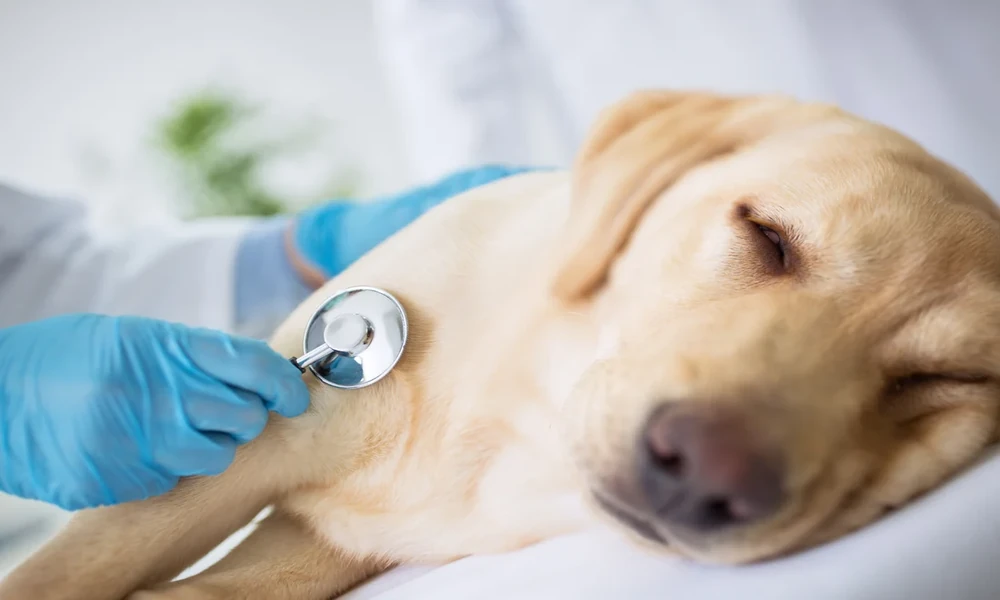
You know the feeling. Your pet starts scratching nonstop at 9 p.m., or the limp looks worse than it did that morning, and you are stuck deciding whether this can wait, whether you should rush to the clinic, or whether you are about to spend money on a visit that ends with simple home care. That uncertainty wears on people, especially when you are trying to decide whether to contact a veterinarian in Adrian, MI. It is stressful when your animal cannot tell you what hurts, and it is just as hard when your schedule, distance, or budget makes an in person appointment tough to manage.
That is why more clinics are leaning into veterinary telehealth services. They are using phone calls, video visits, remote follow ups, and digital messaging to help pet owners get guidance faster, sort urgent concerns from routine ones, and stay connected between appointments. It does not replace hands on exams when those are needed. It does fill a gap that pet owners have felt for years.
Veterinary telemedicine is changing how clinics handle everyday care
Many animal hospitals used to rely almost entirely on office visits, which made sense until pet owners started expecting the same convenience they already get in other parts of life. The old model often meant long waits for minor concerns, missed work for routine follow ups, and delayed care because owners were not sure a symptom justified the trip.
Clinics are responding by offering virtual triage, post surgery check ins, medication reviews, behavioral consults, nutrition support, and chronic disease monitoring. A pet with stable allergies may not need a full in person visit every time the skin flares. A dog recovering from surgery may only need a video check so the veterinarian can see the incision and ask the right questions. A cat owner dealing with stress related litter box issues may get useful advice sooner through a remote consult than by waiting two weeks for the next opening.
The shift is practical. It also reflects the rules of veterinary care. Telehealth is a broad term, and telemedicine is one part of it. The American Veterinary Medical Association explains that virtual care still needs to fit professional standards, including the veterinarian client patient relationship when diagnosis or treatment is involved. Their guidance on telehealth and telemedicine in veterinary practice has helped many clinics build services that are useful without cutting corners.
That matters because convenience alone is not enough. A video call cannot listen to lungs, palpate an abdomen, or run lab work. If a pet is struggling to breathe, collapsing, vomiting repeatedly, or showing signs of severe pain, remote care is not the finish line. It is a bridge to urgent in person treatment, or a quick way to tell you not to wait.
Remote veterinary care helps clinics solve access and follow up problems
One of the biggest reasons clinics are embracing telehealth is access. Some clients live far from the nearest practice. Some have no easy transportation. Some manage anxious pets that turn every car ride into an ordeal. Others simply cannot step away from work for every recheck. Without remote options, those barriers often turn small problems into larger ones.
You see this most clearly with ongoing care. A senior dog with arthritis may need regular updates on mobility and medication response. A diabetic cat may need monitoring and owner coaching. A puppy with behavior concerns may need support before bad habits settle in. In these cases, a virtual touchpoint can keep treatment moving instead of leaving owners on their own between visits.
There is also a staffing side to this. Clinics are under pressure. Phones ring constantly, appointment slots fill fast, and teams spend a lot of time sorting concerns that could be handled more efficiently through structured digital communication. Telehealth gives clinics another lane. It can reduce unnecessary office traffic, protect time for pets who truly need hands on care, and help staff respond more clearly.
Training matters here too. A virtual visit is not just an office visit on a screen. Veterinarians and staff need good communication habits, clear workflows, and the ability to teach through a camera. Resources on online teaching and remote communication, such as those from the University of Tennessee’s online teaching resources, reflect a skill set that many clinics are now building into daily practice.
Telehealth works best when clinics match the service to the medical need
Not every case belongs online, and most clinics know that. The strongest telehealth programs are not trying to force every concern into a video slot. They are deciding which cases are safe, useful, and efficient for remote care, then moving the rest into in person appointments without delay.
| Situation | Telehealth May Work Well | In Person Care Is Usually Better |
|---|---|---|
| Post treatment follow up | Incision checks, medication response, progress updates | Swelling, discharge, worsening pain, signs of infection |
| Skin and allergy concerns | Mild flare review, treatment adjustments, photo based updates | Open wounds, severe itching, ear pain needing exam or testing |
| Behavior and nutrition | Training guidance, feeding plans, home environment review | Behavior tied to pain, sudden appetite loss, weight loss needing diagnostics |
| Urgent symptoms | Triage to decide next step quickly | Breathing trouble, collapse, seizures, blocked urination, trauma |
This is where remote veterinary care earns trust. It is not sold as a shortcut for everything. It is used where it adds clarity, speed, and support. When clinics are honest about limits, pet owners are more likely to use virtual care appropriately and follow through when an exam is needed.
Pet owners want flexibility, and veterinary clinics are adapting
The demand is not hard to understand. People are used to digital options in banking, shopping, and human healthcare. They now expect some level of the same convenience from a veterinary clinic. That does not mean they care less about quality. Usually it means the opposite. They want faster answers, better communication, and fewer gaps in care.
Clinics that adapt tend to stand out for the right reasons. They respect the client’s time, they make follow up easier, and they often catch problems sooner because owners reach out before a condition gets worse. That can improve compliance, strengthen relationships, and reduce the all too common pattern of waiting until a pet is clearly declining.
Three smart steps clinics can take right away
Set clear case guidelines. Decide which concerns fit virtual care and which need an exam. Share that list with staff and clients. Clear boundaries protect pets and reduce confusion.
Build simple workflows. Use intake forms, photo upload instructions, consent language, and follow up notes that are easy to repeat. Telehealth becomes useful when it is consistent, not improvised every time.
Teach clients how to use the service well. Ask for good lighting, close photos, a symptom timeline, and a quiet space for video visits. Better information leads to better decisions.
Veterinary telehealth services are becoming part of normal clinic care
This shift is happening because the old gaps were real, and pet owners felt them every day. When clinics use telehealth with good judgment, it can ease stress, improve access, and help pets get attention sooner. It is not a replacement for hands on medicine. It is a practical tool that supports it.
If your clinic is weighing digital care options, now is the time to put structure around them and make them easier for clients to use. Thoughtful telehealth is no longer extra. It is becoming part of how strong veterinary practices care for people and the animals they love.