
Forty five minutes. That’s how long my first gun shop visit lasted, and I walked out with nothing but a headache and a pamphlet. The clerk handed me four pistols in a row, said “this one’s popular,” and moved on to the next customer. Nobody explained what I was actually supposed to feel for.
So here’s the version I wish I’d gotten. Picking a first carry pistol in Arizona isn’t about chasing the biggest caliber or the loudest brand on YouTube. It’s about matching a gun to your hand, your wardrobe, and the way you actually live in this heat. Get those three right and everything else sorts itself out.
Plenty of folks start by browsing handguns for sale in Phoenix to see what’s actually on shelves, and that’s a smart first move. Seeing real inventory beats staring at stock photos. But inventory isn’t the decision. The decision happens in your hand, and that’s what the rest of this guide covers.
What Arizona changes about concealed carry
Arizona is a permitless carry state for anyone 21 and older who isn’t legally prohibited, so you don’t need a permit to carry concealed here. You can read the specifics in the Arizona Revised Statutes if you want the letter of the law, and I’d encourage it. The freedom cuts both ways, though. No class means no instructor standing over your shoulder telling you what you got wrong.
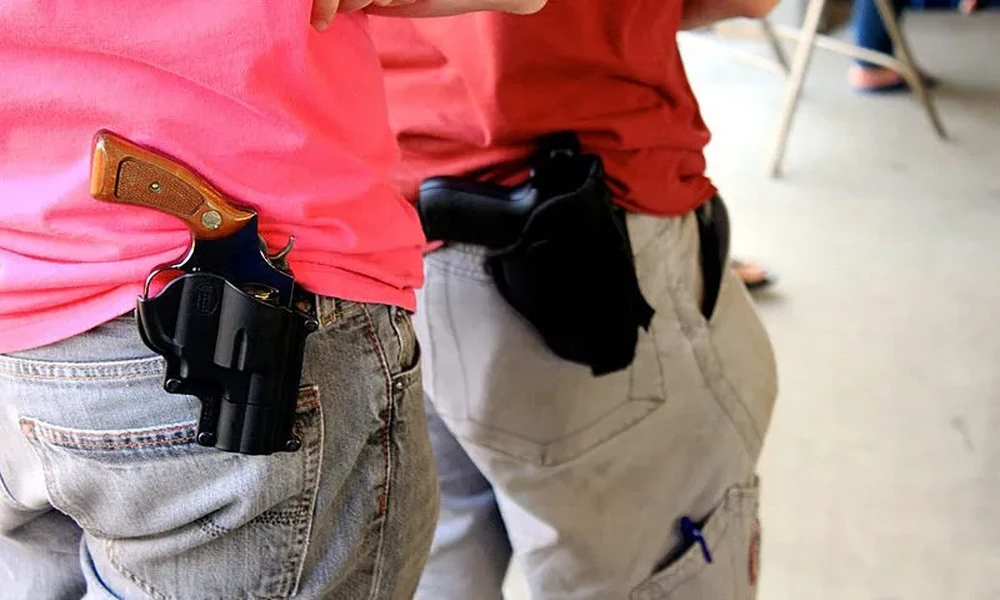
Then there’s the heat. Roughly eight months a year you’re in shorts and a t-shirt, which narrows your concealment options fast. A full-size pistol under a light shirt in July isn’t brave, it’s uncomfortable, and uncomfortable people leave their guns at home. My take: in Phoenix, a smaller gun you actually carry beats a bigger gun that lives in a drawer.
Start with your hand, not the spec sheet
Grip is the whole ballgame and it’s the thing no review can tell you. Reach across your palm with your trigger finger. You want the pad of that finger to land on the trigger face, not the first joint, and not so short that you’re stretching. If you have to shift your whole hand to reach it, that gun will fight you forever.
Small hands, big hands, short fingers, wide palms, everybody’s different. A pistol that feels perfect to a 6 foot 3 shooter with mitts can be miserable for someone five inches shorter. Forget what the guy behind the counter carries. His hands aren’t yours.
Three things to check in the store
- Trigger reach: pad of the index finger on the face of the trigger, comfortably.
- Grip fill: no gaps or pinching where your palm meets the backstrap.
- Sight picture: close your eyes, raise the gun, open them. Are the sights roughly aligned? That’s natural point of aim.
Do this with five or six different pistols. It takes twenty minutes and tells you more than a week of forum reading.
The concealed carry pistol categories, honestly
Most first-time buyers land in one of three buckets, and each has a real tradeoff. Here’s how I’d weigh them.
| Category | Typical size | Best for | The catch |
|---|---|---|---|
| Micro compact | Smallest, single stack or slim double | Deep concealment, pocket and waistband carry | Snappier recoil, fewer rounds, harder to shoot well |
| Subcompact | Middle ground | Everyday carry with better control | Slightly bulkier, can print in thin clothes |
| Compact | Larger, fuller grip | New shooters who want control and capacity | Harder to hide in summer clothing |
I’d steer a true beginner toward a subcompact or compact and skip the tiny guns until they’ve put a few hundred rounds through something with a full grip. Micro pistols are fantastic once you’ve built fundamentals. As a first gun they teach bad habits because the recoil punishes every mistake.
Rent before you buy, every single time
This is the step people skip and regret. Most ranges rent pistols, and an hour of rental fees costs less than a holster you’ll never use again. Fire fifty rounds through your top two contenders. You’ll learn things no spec sheet can tell you: how the trigger resets, whether the slide bites your hand, how quickly you get back on target.
Bring a notebook. Write down your impressions right after each gun, because by the third one they blur together. I’ve watched people swear a pistol felt great in the store and then hand it back after ten rounds.
If you’re brand new to shooting, get instruction first. The National Rifle Association maintains a directory of certified instructors and basic firearm courses, and a single afternoon of coaching will save you months of self-taught flinching.
Holsters, belts, and the wardrobe reality check
Budget for a holster and a proper gun belt before you buy the gun. A holster that doesn’t retain the pistol securely is worse than no holster, and a flimsy belt sags under even a light gun. Expect to spend real money here, sometimes as much as a third of the gun’s price.
For Arizona summer carry, think inside the waistband with a slim profile, or a quality pocket holster for the smallest guns. Try your normal clothes on with the unloaded pistol in the holster before you commit. Bend over. Sit down. Reach for a shelf. If it prints badly or digs into your hip, you’ll know in five minutes.
A testing framework I actually use
I call it the three trip rule. Buy nothing on the first visit. Go home, read, handle the pistol you liked online, then come back and rent it. If it still feels right on the second trip, buy it. If you’re already second-guessing, walk away. Every gun I regret buying came home on the first visit.
Second element worth stealing: the dry fire week. Once you’ve narrowed to one model, dry fire it (unloaded, ammo locked in another room) for seven days before you buy. You’ll notice the trigger weight, any rattle, how the sights track. Cheap test. Huge information payoff.
One safety note that isn’t optional. Store the gun locked and separate from ammunition, and follow the storage guidance from the Centers for Disease Control and Prevention on keeping firearms away from kids and unauthorized hands. A carry gun is a responsibility before it’s a purchase.
Where to buy and what to ask
Buy local when you can. A Phoenix shop lets you handle the actual gun, ask about break-in and cleaning, and get help if something’s off. Big box stores can’t answer the question you’ll actually have at 9 PM. Local dealers also handle FFL transfers if you order online, so build a relationship either way.
Ask three questions before you pay: what’s your return policy if it doesn’t run right, do you offer a first-timer’s orientation, and will you help me find a holster that fits it. Good shops answer all three without flinching.
Common first-time mistakes to dodge
Buying caliber before gun. Buying the smallest possible pistol and then hating recoil. Skipping the holster budget. Trusting a single YouTube review. Chasing the accessory catalog before learning the trigger. I’ve made four of those six, so this isn’t theory.
Also, don’t buy a second gun in the first month. Learn the one you have. Master the draw, the reload, and the basics before you start shopping again.
Closing the loop
Your first carry pistol should fit your hand, your wardrobe, and your actual habits, and you should test fire it before you commit. Do those things and you’ll avoid the drawer full of regrets most beginners collect. So the next question is yours: can you get to a range this weekend and put fifty rounds through two contenders? If you’re in the Valley, start with what’s on the shelf and go from there.