
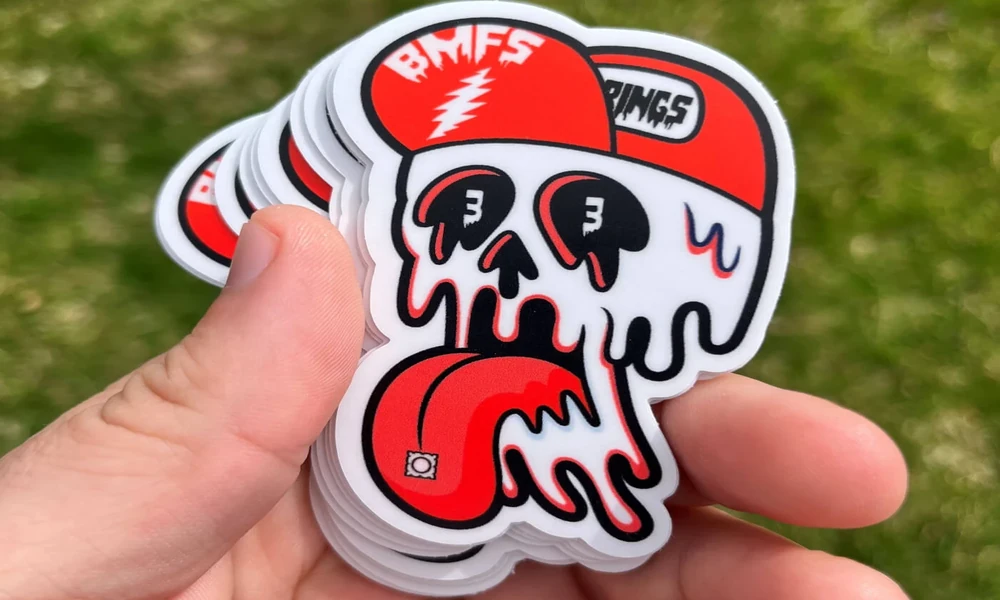
Selecting the right type of custom sticker can mean the difference between a product that pops off the shelf and one that fades into the background. Whether you’re launching a new brand, organizing an event, or personalizing your gear, sticker choice matters far more than most people realize.
Why Choosing the Right Custom Sticker Matters
Struggling with stickers that peel off at the first sign of rain or labels that fade in the sun is a common frustration. Picking the wrong sticker type can lead to wasted budgets, poor first impressions, or even product returns. On the flip side, a well-matched sticker reinforces your brand and actually lasts, wherever you stick it.
The material, cut, and finish you select impacts not only how your sticker looks but also how it feels and functions. From durability to visual punch, sticker selection is equal parts art and science.
Understanding Different Types of Custom Stickers
Not all stickers are created equal, and each type has its strengths. Here’s what you need to know.
Die-Cut Stickers: Precision Shapes for Unique Designs
Die-cut stickers follow the precise contour of your design, making them perfect for logos or custom shapes that stand out. Their unique edges elevate branding and offer a premium feel.
Kiss-Cut Stickers: Easy Peel for Giveaways and Retail
Kiss-cut stickers sit on a larger backing, so the sticker itself is cut while the backing remains intact. This makes them easier to peel and ideal for retail settings, events, or as part of a sticker sheet.
Vinyl Stickers: Durable Solutions for Outdoor Use
Vinyl stickers are built to last. Resistant to water, UV rays, and scratching, they are the first choice for bumper stickers, outdoor signage, and anything exposed to the elements.
Paper Stickers: Cost-Effective Options for Indoor Applications
Paper stickers deliver sharp print quality and are perfect for applications like packaging, mailing labels, and event name tags. They’re more budget-friendly but best kept indoors.
Clear Stickers: Subtle, Printed-On-Surface Look
Clear stickers allow the background surface to show through, creating an elegant “printed-on” effect. This makes them popular for glass surfaces, windows, and minimalist branding.
Matching Sticker Materials and Finishes to Your Needs
Sticker material is not just about looks; it’s about performance. Vinyl is the go-to option when durability is a priority, while paper shines in short-term, indoor roles. If your sticker might get handled frequently, face moisture, or see sunlight, vinyl is the safer bet.
When it comes to finishes, gloss brings out color vibrancy and shine, making graphics pop. Matte offers a sophisticated, glare-free appearance, while soft-touch lamination gives a tactile, velvety feel that’s instantly memorable.
The environment and placement matter, too. A sticker slapped on a reusable water bottle needs to survive dishwashing and handling, whereas a package seal just needs to look crisp out of the box.
Common Use Cases and Ideal Sticker Types
From packaging to personal expression, here’s how to match sticker types to your needs:
– Product Packaging: Vinyl or high-quality paper with gloss or matte finish for a balance of durability and brand impression.
– Event Promotion: Kiss-cut or die-cut paper stickers, easy to distribute and affordable for large crowds.
– Personal Projects: Paper or clear stickers for scrapbooks, journals, or laptop decoration, choose based on desired durability and look.
– Outdoor Applications: Always choose vinyl, ideally with UV-resistant laminate, to ensure your message withstands weather and time.
Preparing Your Design for Printing Success
Before sending your artwork to print, ensure your file is high-resolution (at least 300 DPI), in a print-ready format like PDF, AI, or EPS. Always design in CMYK color mode to ensure true-to-proof output. Add a bleed area (minimum 1/8 inch) to prevent unwanted white edges and outline your fonts to avoid text shifting.
If you’re not a designer, no problem. Many Montreal print shops offer graphic support, making the process accessible even if you’re starting from scratch.
The Benefits of Local Sticker Printing
Working with a local printer gives you more than just a quick turnaround. You can see color proofs in person, touch samples, and communicate directly for adjustments. For example, Doculand Montreal sticker printing is known for walking clients through these decisions, ensuring the final result matches your vision.
Local printing also means supporting businesses in your own community. If time is tight, skipping shipping delays can be the difference between making your event or missing it.
Budgeting and Pricing Considerations
Sticker costs depend on material, size, finish, and quantity. Here’s what you need to keep in mind:
– Material: Vinyl generally costs more than paper.
– Finishes: Specialty laminates or embossing add to the price.
– Quantity: Larger orders drop the cost per sticker significantly.
For instance, 100 small vinyl stickers might cost $50 to $80, while a run of 1,000+ can drastically reduce the price per unit.
Taking Action: How to Get Started with Your Custom Stickers
Begin by clarifying your goal: Are you branding bottles, sending giveaway stickers, or tagging outdoor equipment? Once you know the use case, discuss your needs with a local print expert who can walk you through material, finish, and pricing options based on real-world experience.
Finally, review a proof, confirm your specs, and place your order. With the right sticker, your message will stick around, wherever you need it to be.