
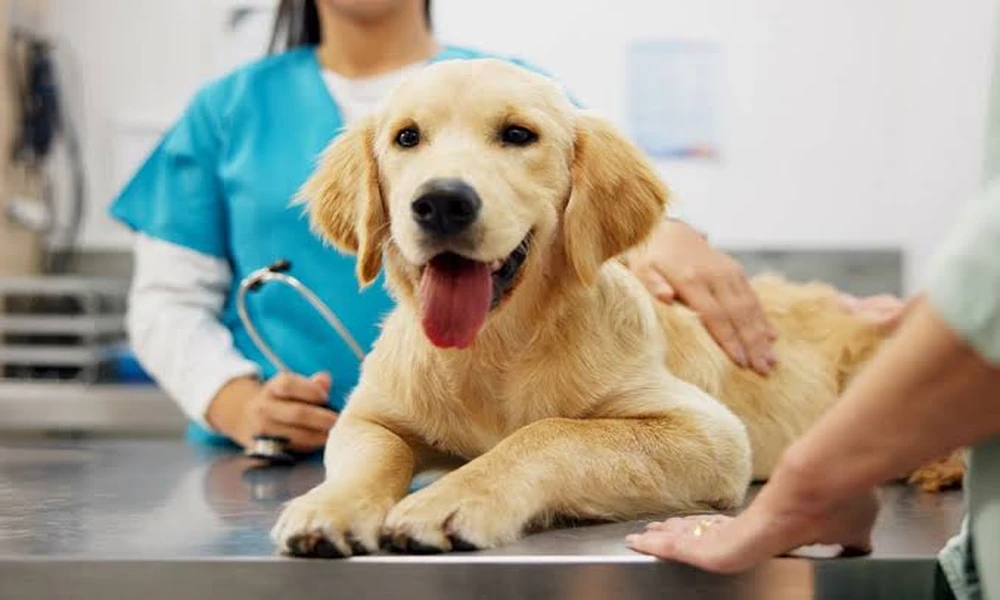
You notice the limp first, or the swelling, or the way your pet stops jumping onto the couch like they always do. Then everything speeds up. You are trying to stay calm, your pet is confused, and the word surgery lands hard. That stress is real. You are not only thinking about the procedure itself. You are thinking about safety, pain, recovery, cost, and whether you are making the right call. In moments like this, having access to modern veterinary care in Rancho Cucamonga can help you feel more informed and supported.
That is why so many families turn to an animal hospital when surgery is on the table. They need more than a room and a surgeon. They need a team that can diagnose the problem, monitor anesthesia, manage pain, respond if something changes, and guide recovery after the procedure. In plain terms, pet owners rely on animal hospitals for surgery because the stakes are high and the support has to be wider than the operation alone.
Animal hospitals provide surgical care that covers the full picture
A surgical problem rarely starts and ends with the procedure. A dog with a torn cranial cruciate ligament may come in because of limping, but the real issue reaches into imaging, anesthesia planning, pain control, rehab, and long term joint health. The same goes for mass removals, bladder stone surgery, wound repair, and emergency abdominal procedures.
An animal hospital is built for that chain of care. Your pet can be examined, tested, prepared for surgery, monitored during the procedure, and checked closely afterward in one setting. That matters because surgery is not just technical work. It is timing, coordination, and quick decisions when something does not go as expected.
Many pet owners also feel more secure knowing there is access to trained support staff, sterile surgical spaces, recovery monitoring, and equipment that smaller settings may not have. The trust is not abstract. It comes from seeing that every part of the process is handled with structure and care.
Pet surgery at an animal hospital reduces risk when decisions feel urgent
When your pet is in pain, it is easy to feel cornered by the clock. You may wonder if waiting a few days will help, or if rest at home is enough. Sometimes it is. Sometimes it is not. A blocked bladder, internal bleeding, foreign body ingestion, or infected uterus can turn into a crisis fast. Even non emergency issues can worsen if they are left alone too long.
This is where animal hospital surgery becomes less about convenience and more about risk control. Hospitals usually have the staff and systems to catch problems before surgery, during anesthesia, and after your pet wakes up. Pre operative bloodwork can flag hidden issues. Monitoring equipment tracks oxygen, blood pressure, heart rate, and temperature. Recovery staff watch for pain, bleeding, nausea, and breathing trouble.
If your pet needs a common orthopedic procedure, such as repair for a CCL injury, a teaching resource like this overview of CCL injuries in dogs shows how diagnosis and treatment planning affect the outcome. Owners are not just paying for time in surgery. They are paying for safer decisions before and after it.
Specialized teams matter when the surgery is not routine
Some procedures are straightforward. Others are not. A mass near a major blood vessel, a complicated fracture, airway surgery, or a pet with heart disease changes the picture. In those moments, depth matters. A hospital setting may offer access to advanced imaging, specialist input, or referral level care for difficult cases.
The University of Illinois explains in its soft tissue surgery FAQ that surgical planning often includes tests, anesthesia review, and detailed aftercare instructions. That sounds simple until you are the person bringing home a groggy pet with medications, feeding restrictions, and activity limits. Then it becomes clear why organized hospital care makes such a difference.
Owners also rely on hospitals because recovery can be harder than expected. Pets do not understand why they cannot run, lick an incision, or eat a full meal right away. Practical guidance helps. Texas A&M offers useful advice on caring for pets after surgery, including rest, incision checks, and watching for warning signs. Good surgical care does not stop when you leave the building.
Comparing home assumptions with hospital based surgical care
| Concern | Common assumption at home | What an animal hospital provides |
|---|---|---|
| Pain | If my pet is quiet, they must be fine | Pain assessment, medication planning, and follow up adjustments |
| Anesthesia safety | The procedure is the only thing that matters | Pre op testing, anesthetic protocols, and continuous monitoring |
| Recovery | Rest alone will fix most issues | Discharge instructions, incision care, activity limits, and recheck exams |
| Complications | I will know if something is wrong | Trained staff who can spot subtle changes early |
| Complex cases | All surgeries are basically the same | Access to broader diagnostics, surgical support, and specialist level input |
This is the heart of why pet owners trust animal hospitals for surgery. The hospital model is designed around risk, not hope. You still hope for the best, of course, but your pet gets more than hope.
Three steps you can take before agreeing to pet surgery
Ask for the full plan, not just the procedure. You need to know what happens before surgery, during anesthesia, after discharge, and at recheck visits. Ask what monitoring will be used, how pain will be controlled, and what signs should trigger a call.
Get clear on recovery at home. A smooth surgery can still lead to a rough recovery if home care falls apart. Ask about crate rest, feeding, bathroom breaks, wound care, medications, and activity limits. If your schedule makes strict recovery hard, say that up front.
Understand the estimate in plain language. Cost matters, and you do not need to apologize for asking direct questions. Ask what is included, what could raise the total, and whether follow up visits, medications, lab work, or emergency care are separate. Good hospitals expect these questions.
Choosing an animal hospital for surgery is often about trust under pressure
When your pet needs surgery, you are making decisions with your heart and your head at the same time. That is exhausting. The reason owners choose an animal hospital is simple. They want a place that can handle the procedure, protect their pet through anesthesia and recovery, and help them through the days that follow.
If your pet may need surgery, do not sit with the uncertainty alone. Reach out to a trusted animal hospital, ask direct questions, and get a clear treatment plan. Fast answers and steady care can make this whole process feel far less frightening.