
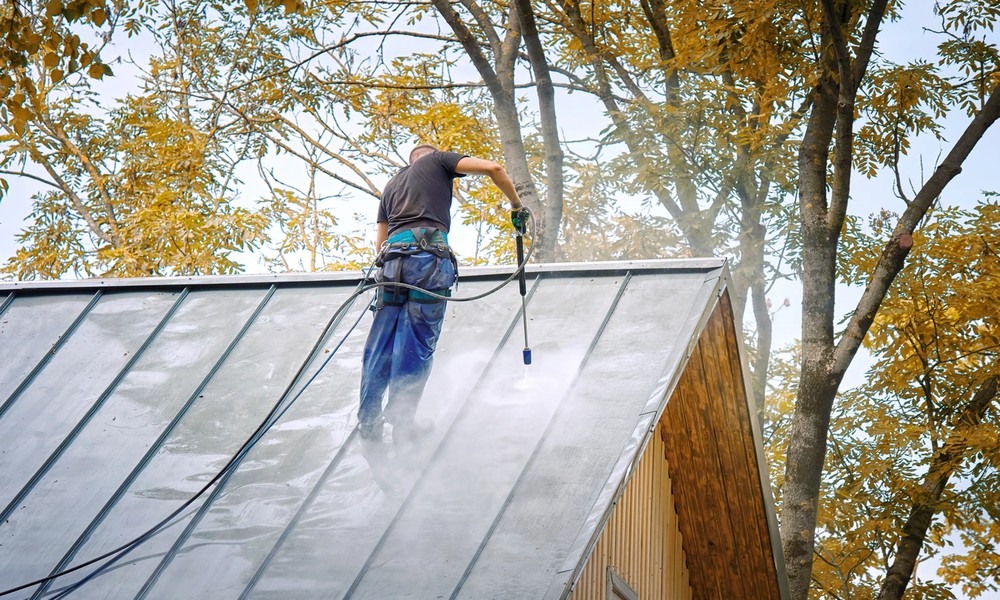
Most homeowners know their roof needs attention, but myths about preparation can sabotage the entire cleaning process. Avoid costly mistakes by understanding the truth behind common misconceptions and learn how to get your roof genuinely ready for the pros.
Myth 1: Preparing Your Roof Means You Have to Clean It Yourself
There is a persistent idea that you need to scrub or wash the roof before the cleaners arrive. Not only is this unnecessary, but it can also be dangerous and counterproductive.
Why DIY Cleaning Can Do More Harm Than Good
Climbing onto your roof with a garden hose and some soap might seem proactive, but it can damage delicate shingles and expose you to falls. More importantly, using the wrong cleaning agents or techniques could void warranties or leave stubborn stains that even professionals will struggle to remove.
What Professionals Expect from You Before They Arrive
Professional cleaners prefer a blank slate, not a half-cleaned surface. All you need to do is ensure clear access: unlock gates, move vehicles, and provide any special instructions about pets or property features. These simple steps allow specialists to get right to work.
Myth 2: Clearing Debris Is All That’s Needed Before Cleaning
While removing branches or leaves is helpful, it is only part of the picture.
The Importance of Inspecting for Damage and Loose Shingles
A quick roof inspection can reveal problems like cracked tiles, loose flashing, or exposed nails. These issues, if left unchecked, can worsen after power washing or soft washing, leading to leaks or water damage.
How Overlooking Minor Repairs Can Affect Cleaning Results
Unrepaired damage means water or cleaning agents may penetrate where they shouldn’t. Fixing minor problems in advance ensures thorough cleaning and prevents costly surprises later.
Myth 3: You Don’t Need to Protect Your Plants and Outdoor Items
What happens on the roof often ends up on the ground. The runoff from roof washing contains both dirt and cleaning chemicals, which can damage landscaping.
How Cleaning Chemicals Can Impact Your Surroundings
Even eco-friendly solutions can harm delicate flowers or stain patio furniture. Overspray and runoff expose everything below the eaves to potential damage.
Effective Ways to Shield Your Garden and Outdoor Furniture
Cover shrubs, flowerbeds, and furniture with waterproof tarps. Move loose items like potted plants out of harm’s way. A few minutes of preparation can spare days of cleanup later.
Myth 4: Roof Cleaning Is a One-Time Task Without Preparation
Some believe cleaning is a standalone event, but timing and coordination matter.
Why Scheduling and Weather Considerations Matter
Rain, wind, or extreme temperatures can reduce cleaning effectiveness or delay work. Aligning your cleaning date with a favorable forecast prevents headaches for both you and the cleaning crew.
How Proper Timing Can Enhance Cleaning Efficiency
When the weather is right and the roof is dry, cleaning agents work better and dry faster. Scheduling during periods of mild, predictable weather is ideal.
Myth 5: All Roof Types Require the Same Preparation Steps
Roofs are not created equal. Asphalt, tile, and metal each have unique requirements.
Tailoring Preparation for Asphalt, Tile, and Metal Roofs
Asphalt shingles are sensitive to pressure; tile roofs can crack under heavy movement; metal roofs may be slippery and prone to rust if not treated properly.
What Specific Precautions Each Roof Material Demands
– Asphalt: Remove large debris gently, inspect for granule loss.
– Tile: Check for cracks, avoid walking on vulnerable tiles.
– Metal: Clear leaves from seams, look for rust spots.
Each material responds differently to cleaning methods, so adapt your prep accordingly.
Myth 6: Gutters and Downspouts Can Be Ignored Before Roof Cleaning
Ignored gutters make for messy cleanups and bigger problems.
How Clogged Gutters Can Affect Roof Cleaning Outcomes
If gutters are full, runoff from cleaning may back up, spill over, or pool at your foundation, potentially causing water damage or soil erosion.
The Benefits of Coordinating Gutter Cleaning with Roof Cleaning
Request gutter cleaning alongside your roof service. This ensures all debris is safely removed and water flows away from your home, maximizing both the cleanliness and protection of your property.
Myth 7: Professional Roof Cleaners Will Handle Everything Without Your Input
Experienced cleaning pros appreciate homeowner involvement, it leads to better results.
What You Should Communicate to Your Cleaning Service
Share any history of leaks, repairs, or areas of concern. Let the crew know about electrical outlets, fragile garden features, or security systems that could be affected by water or movement.
How Your Involvement Can Improve Safety and Results
Open communication prevents misunderstandings and ensures the safety of your property. Your knowledge of your home paired with the crew’s expertise makes a powerful combination.
Final Checklist: Essential Steps to Prepare Your Roof for Professional Cleaning
Quick Reference Guide for Homeowners
– Remove loose debris and inspect for obvious damage.
– Cover plants, patio furniture, and move vehicles away from the work area.
– Ensure pets are secured indoors.
– Double-check weather forecasts and confirm your appointment.
– Clear access to gates and outdoor water spigots.
– Communicate any roof issues or site-specific concerns to your cleaning crew.
When to Call a Professional for Pre-Cleaning Inspection
If you spot damaged shingles, signs of a leak, or are unsure about your roof’s condition, call in a professional to assess repairs before the cleaning date. Experts recommend partnering with reputable providers, such as Zachs Power Washing roof cleaning, which serves Olympia, WA, and the surrounding areas.
Proper preparation directly impacts the safety, efficiency, and results of your professional roof cleaning. Avoid common misconceptions, follow these steps, and let the experts handle the rest. Your roof, and everything beneath it, will thank you.