
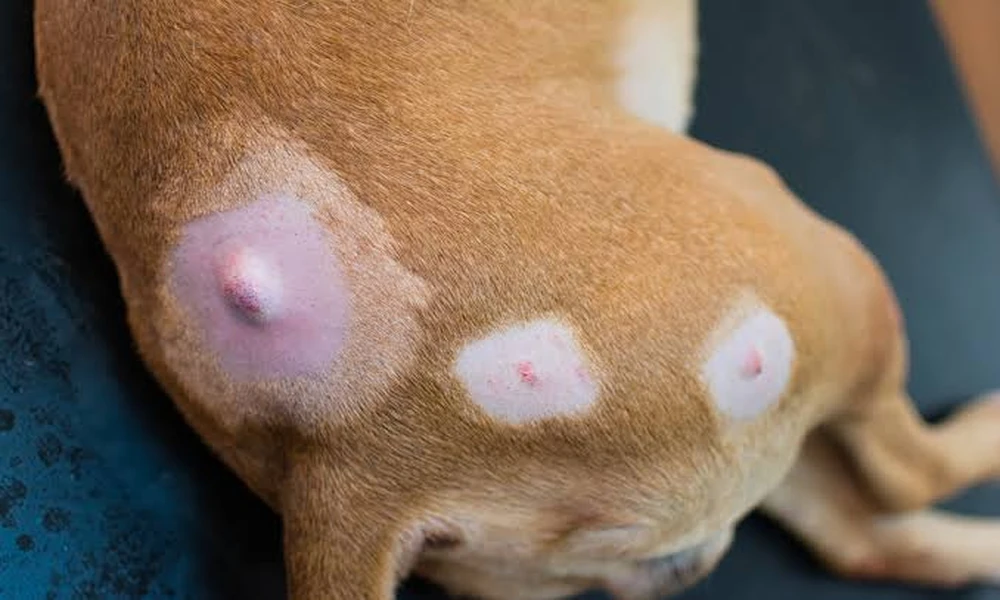
You spot a small hole in your pet’s skin, maybe from a bite, a thorn, or something sharp in the yard, and it does not look like much at first. That is what makes puncture wounds so unsettling. The opening can seem tiny while the damage underneath keeps spreading, and by the time swelling, pain, or drainage show up, the infection may already be deeper than you expected. If you are concerned, veterinarians in Heber Springs, Arkansas can help evaluate the wound and recommend treatment.
This is one reason puncture wounds in pets need close attention. A narrow wound can seal over fast, trapping bacteria under the skin where it stays warm, moist, and hard to clean. What looks minor on the surface can turn into an abscess, tissue damage, fever, or a painful infection that needs veterinary treatment. If your dog or cat seems sore, hides, licks one spot over and over, or reacts when you touch the area, trust that instinct that something is off.
Puncture wounds often close quickly while bacteria stay trapped below
A scrape usually stays open enough to be cleaned. A puncture wound is different. It pushes bacteria, dirt, hair, or debris down into tissue, then the skin opening may shrink before the deeper area can drain. That creates the perfect setup for infection. In bite wounds, this risk rises because bacteria from the other animal’s mouth are carried directly under the skin.
Cats are especially known for this pattern. A tiny tooth mark can lead to a painful abscess a day or two later. Dogs can develop the same problem after rough play, wildlife encounters, or stepping on a sharp object. Cornell’s feline health resources on feline skin diseases explain how skin problems can change fast and why swelling, redness, and drainage should not be brushed off.
You may be looking for blood and not seeing much, which feels reassuring. The problem is that puncture wounds do not always bleed enough to flush contamination out. The infection stays inside, pressure builds, and the tissue around it becomes inflamed. Then your pet starts limping, acting tired, refusing food, or flinching when picked up. The wound did not suddenly get worse. It was likely getting worse underneath the whole time.
Hidden infections beneath the skin can become painful and expensive fast
When a wound infection is caught early, treatment may be simpler. Once an abscess forms, your pet may need clipping, flushing, drainage, pain control, antibiotics, and follow up care. Some wounds also create pockets under the skin that are larger than they look from the outside. A small puncture near the chest, neck, paw, or abdomen can be more serious because of the structures in those areas.
This is where people get stuck. You do not want to overreact to every nick, but you also do not want to miss the kind of injury that turns into an emergency two days later. That tension is real, especially when your pet still walks around and acts mostly normal. Animals often hide pain well. By the time they clearly show it, the infection may already be established.
Research from Cornell on the management of traumatic wounds in dogs reflects the broader veterinary concern with wound depth, contamination, and timing. Surface appearance alone does not tell the full story. That is why a hidden infection under a pet’s skin deserves more respect than the tiny puncture opening suggests.
Home care has limits when a puncture wound may be deeper than it looks
There are safe first aid steps you can take at home, but home care is not the same as treatment. If your pet allows it, you can gently look for swelling, discharge, odor, heat, or tenderness. You can keep the area clean and stop licking if possible. The AVMA’s pet first aid guide is a helpful reference for basic wound response and when to seek medical care.
What you cannot do at home is assess how deep the puncture tracks, whether a pocket of infection has formed, or whether tissue beneath the skin is already damaged. You also cannot safely assume that no swelling means no problem. Some infections take time to declare themselves.
| What You See | What May Be Happening Under the Skin | What to Do |
|---|---|---|
| Small puncture, little bleeding | Bacteria or debris sealed inside the tissue | Monitor closely and arrange a veterinary exam if the cause is unknown or the wound is from a bite |
| Swelling within 24 to 72 hours | Abscess or fluid pocket forming | Seek prompt veterinary care |
| Limping or pain with no obvious large wound | Deep tissue injury or puncture to paw or limb | Limit activity and have your pet examined |
| Drainage, odor, fever, low appetite | Established infection | Urgent veterinary treatment is needed |
Early veterinary care for pet wound infections protects more than the skin
Pet wound infection treatment is about more than cleaning the surface. A general veterinarian looks for depth, contamination, pain, swelling, tissue damage, and signs the problem is spreading. That may include clipping fur, flushing the wound, prescribing medication, placing a drain, or checking for injury to deeper structures. If the puncture is near a joint, eye, chest, or abdomen, the stakes rise.
There is also the issue of timing. Waiting to see if it gets better can turn a manageable visit into a larger bill and a harder recovery. A general veterinarian can often prevent that slide by treating the wound before the infection becomes more aggressive.
Three steps to take right away after a puncture wound
1. Check the area without squeezing it. Look for a puncture mark, swelling, redness, heat, discharge, or sensitivity. Do not press hard or try to force fluid out. That can worsen pain and irritate tissue.
2. Prevent licking and keep your pet quiet. Licking adds bacteria and delays healing. Running and rough play can spread inflammation or reopen tissue that is trying to seal.
3. Contact a general veterinarian if the wound came from a bite, looks deep, or your pet seems painful. Bite wounds, paw punctures, and any wound followed by swelling or lethargy deserve prompt attention. If your pet has trouble breathing, severe swelling, heavy bleeding, or sudden collapse, seek emergency care.
A small hole in the skin can hide a much bigger problem underneath, and your concern is not overthinking it. Puncture wounds are easy to underestimate because the surface can look calm while infection builds below. When you act early, your pet has a better chance at a faster, less painful recovery. If you suspect a puncture wound or signs of infection, schedule an exam with a general veterinarian.